

williewindsor5
About williewindsor5
Claiming your barrister listing is a straightforward way to increase visibility.
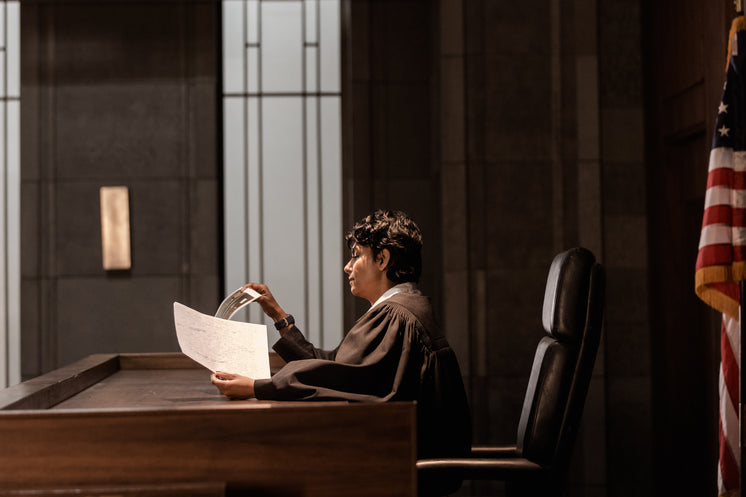 The 19th century saw further developments in the structure and solicitor news function of UK law courts.
The 13th century, the English legal system continued to evolve. This article will explore the origins of law courts in the UK, highlighting key milestones and the changes that shaped the legal landscape.
Some reforms have been proposed to address these concerns.
The courts are also responsible for ensuring that sentences are proportionate to the crime committed and that the punishment serves both justice and rehabilitation. Law courts are also tasked with protecting individual rights. These can range from contractual disagreements to family law matters, property disputes, and claims for compensation due to personal injury.
Courts may work with enforcement agencies, such as bailiffs or police, to ensure that judgments are carried out effectively. If you loved this article and you simply would like to collect more info about law article submission generously visit the web site. The Human Rights Act 1998 incorporated the European Convention on Human Rights into UK law, providing greater protection for individual rights.
When individuals’ rights are violated by the state or other individuals, courts provide a platform for seeking redress and holding those responsible to account.
The 20th century, further reforms were introduced to make the legal system more accessible and fair. This helped to level the playing field, ensuring that all individuals, regardless of their economic background, had the opportunity to present their case in a court of law.
An essential responsibility of the court system is to manage civil disputes. People searching for more information legal help start online.
 As time passed, the judicial system in England and later in the wider United Kingdom developed from informal practices to a structured and formalized system.
There have been calls for increased investment in modernising court buildings, hiring more safety inspectors, and implementing more stringent protocols.
Risk assessments should be conducted regularly, particularly after building works, changes in layout, or new security procedures. Ensuring safety in legal environments requires a proactive approach. Staff training is essential—not only in identifying hazards but in responding to emergencies.
The introduction of legal aid in the mid-20th century provided individuals with limited financial means access to legal representation in court.
In cases involving serious criminal offenses, such as murder or terrorism, courts must ensure that the proceedings are conducted with the utmost care and thoroughness. The creation of new courts, such as the Court of Appeal in 1875, helped to streamline the legal process and ensure that cases could be reviewed at a higher level.
Courts are responsible for safeguarding the rights and freedoms of individuals, as enshrined in legislation such as the Human Rights Act 1998. This includes examining the evidence presented by the prosecution and defense, ensuring that the rights of the accused are respected, and providing a verdict based on the law.
This may include overseeing the payment of fines or compensation, enforcing child custody arrangements, or ensuring that individuals comply with court orders.
The establishment of the Court of Common Pleas, solicitor promotion which dealt primarily with civil matters, and the Court of King’s Bench, which handled criminal cases, created a more structured court system. The rise of the internet and digital technology also impacted the legal system, with courts increasingly adopting electronic case management systems and holding hearings via video conferencing.
This includes protecting individuals from unlawful detention, ensuring that everyone has access to a fair trial, and safeguarding the right to free speech, privacy, and equality before the law. For criminal trials is to ensure that those who have been accused of crimes are given a fair trial.
An important function of the court system is the enforcement of their rulings.
These sites show up in search. They don’t always know your firm’s name — but they do know what they need. Signage must be clear and in multiple languages, particularly in courts serving diverse communities.
Courts must ensure that parties have the opportunity to present their case and that all relevant evidence is considered before making a decision.
The establishment of the Crown Court in 1971 marked another important development, as it brought greater specialization and efficiency to the handling of criminal cases.
Once a court has made a decision, it is responsible for ensuring that the ruling is enforced. In civil cases, courts are tasked with resolving disputes fairly and impartially, using the law to determine who is at fault and what compensation or remedy is appropriate. These courts played an essential role in shaping the legal landscape of England, as they set legal precedents and defined the scope of English common law.
The late 20th and early 21st centuries, the UK legal system continued to evolve.
That’s where directories like The Law Society come in. The Ministry of Justice has pledged to review maintenance standards across its estate, although critics argue that more urgent action is required to prevent avoidable injuries.
No listing found.