

fireplaces9294
About fireplaces9294
Guide To Buy Fireplace UK: The Intermediate Guide To Buy Fireplace UK
A Comprehensive Guide to Buying Fireplaces in the UK
The attraction of a fireplace is undeniable. It stimulates heat, nostalgia, and a sense of comfort that couple of home functions can match. Whether it’s for heating your home throughout frosty winter season days or acting as a stylish centerpiece in your living space, fireplaces have ended up being progressively popular in the UK. However, the procedure of buying a fireplace can be overwhelming, given the myriad of alternatives offered. This guide will provide an extensive introduction of the kinds of fireplaces, elements to consider, and the installation procedure in the UK.
Kinds of Fireplaces
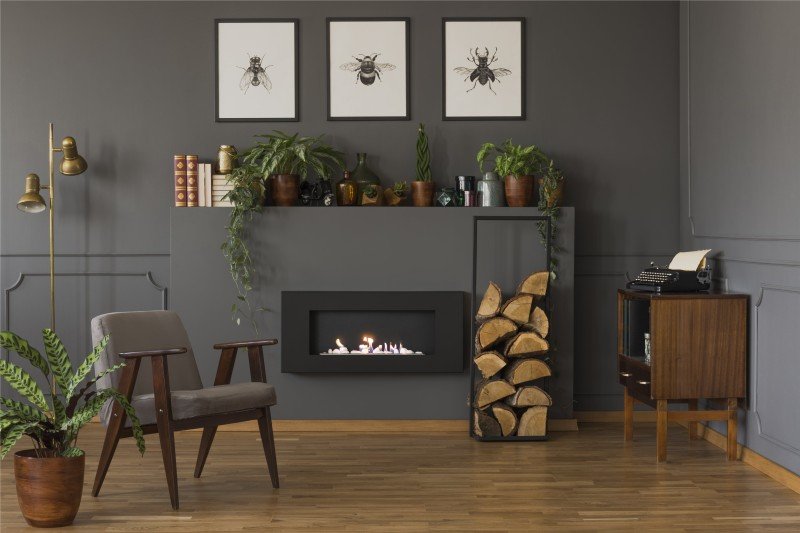
When it concerns selecting a buy Fireplace uk, the alternatives can be classified into numerous types, each with its advantages and downsides. Below is a table that describes the main kinds of fireplaces found in the UK.
| Fireplace Type | Description | Pros | Cons |
|---|---|---|---|
| Wood-Burning | Utilizes logs or other forms of wood as fuel. | Renewable fuel source, aesthetic appeal, great heating capacity. | Needs a chimney, maintenance, and storage for wood. |
| Gas | Utilizes gas or gas. | Easy to utilize, reliable heating, no ashes or wood storage. | Needs gas line setup, possible safety problems if not monitored. |
| Electric | Runs using electricity to develop heat and flame result. | Easy installation, no need for a chimney, can be moved quickly. | Greater operating expenses, less genuine feel compared to wood or gas. |
| Bioethanol | Uses bioethanol as fuel and does not require a chimney. | Eco-friendly, simple to set up, modern designs. | Minimal heating capacity, ongoing fuel expenses, needs ventilation. |
| Pellet | Utilizes compressed wood or biomass pellets. | Efficient and environment-friendly, automated feeding system. | Requires more setup space, depends on electricity for automation. |
Elements to Consider When Buying a Fireplace
Before buying, several key aspects need to be thoroughly thought about. Here’s a detailed list:
1. Design and Design
Fireplaces can be found in various styles that can complement your home’s interior, consisting of conventional, contemporary, and rustic styles.
2. Size and Space
The size of the fireplace should correspond with the measurements of the room. A little fireplace might watch out of place in a big living-room, and vice versa.
3. Fuel Type
Picking the ideal fuel type based on benefit, cost, and preference is essential. For example, wood-burning fireplaces offer a traditional feel however need more maintenance than electrical ones.
4. Installation Requirements
Particular fireplaces require particular setups. Gas and wood-burning fireplaces normally require chimneys or flues, while electric designs can often be plugged into a basic outlet.
5. Heating Efficiency
Consider the effectiveness of the fireplace. Wood-burning and pellet fireplaces might supply much better heating in larger spaces, while electric heating systems are exceptional for smaller areas.
6. Security Regulations
In the UK, there are regulations regarding the installation of gas and wood-burning fireplaces. It’s important to use certified experts to ensure safety.
7. Spending plan
Fireplaces can vary considerably in rate. Think about both the preliminary costs of the fireplace and the long-term costs of fuel and upkeep.
Installation Process
The setup process of fireplaces varies depending on the type picked. Here’s a brief introduction of the setup actions for various fireplace types:
| Fireplace Type | Setup Steps |
|---|---|
| Wood-Burning | 1. Choose an area 2. Install chimney/flue 3. Build a firebox 4. End up with non-combustible materials. |
| Gas | 1. Look for gas supply 2. Install gas line 3. Set up the fireplace system 4. Test for leakages. |
| Electric | 1. Select a place 2. Plug in or hardwire 3. Set up mantel or surround (if applicable). |
| Bioethanol | 1. Choose a place 2. Ensure ventilation 3. Establish the system. |
| Pellet | 1. Prepare installation website 2. Connect to electricity 3. Install exhaust system. |
Regularly Asked Questions (FAQ)
Q1: What is the most effective kind of fireplace?
A1: Pellet ranges are frequently considered the most efficient due to their automated feeding system and lower emissions. However, gas and wood-burning fireplaces can also be efficient if properly maintained.
Q2: Do I require a professional to install my fireplace?
A2: Yes, it is highly recommended to employ a certified specialist for gas and wood-burning fireplaces due to security policies and the complexity of setup.
Q3: Can I set up an electrical fireplace anywhere?
A3: Generally, yes, electrical fireplaces can be installed in most areas without the need for a chimney or vent, supplied there are electric outlets available.
Q4: How do I maintain my fireplace?
A4: Maintenance differs by type. Wood-burning fireplaces require regular cleaning of ashes and flue evaluations, gas fireplaces require looking for leaks, while electric systems must be cleaned regularly for optimum efficiency.
Q5: What are the expenses connected with fireplaces in the UK?
A5: Costs can range substantially depending on the type and brand name, from a couple of hundred to numerous thousand pounds. Ongoing expenses will include fuel, upkeep, and potential setup fees.
Getting a fireplace for your home is a considerable choice that can enhance your area aesthetically and supply warmth and convenience. By comprehending the numerous types, setup requirements, and maintenance requirements, purchasers can make educated options that match their homes and way of lives. Whether selecting a wood-burning, gas, electric, bioethanol, or pellet fireplace, the best choice can change any living area into a relaxing sanctuary. Constantly keep in mind to focus on safety and abide by regional guidelines to enjoy your fireplace for numerous winter seasons to come.
No listing found.