

fireplaces7753
About fireplaces7753
The 10 Most Scariest Things About Buy Fireplaces UK
A Comprehensive Guide to Buying Fireplaces in the UK
Fireplaces have long been a centerpiece in homes, providing both heat and visual appeal. In the UK, the varied environment makes fireplaces an important function in lots of residences. Whether one is looking for a functional heating option or a stylish centerpiece, comprehending the numerous types of fireplaces and the elements to think about when buying is vital. This short article will offer a detailed summary of the types of fireplaces available, factors to consider before purchasing, and answers to frequently asked questions.
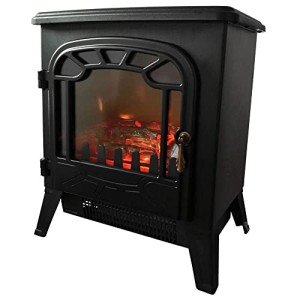
Kinds of Fireplaces
When thinking about the purchase of a fireplace, one must understand the vast array of options readily available. Here’s a breakdown of the common types of elegant fireplaces in the UK:
| Type of Fireplace | Description | Pros | Cons |
|---|---|---|---|
| Open Hearth | Traditional fireplace; wood-burning. | Timeless appeal, great heat circulation. | Ineffective, needs more upkeep. |
| Wood-Burning Stove | Enclosed wood-burning unit developed for effectiveness. | High-efficiency heating, wide array of designs. | Needs space for wood storage, might require chimney lining. |
| Gas Fireplace | Utilizes natural or lp gas for heating. | Easy to use, low maintenance. | May require expert installation, can be less warm than wood. |
| Electric Fireplace | Uses electrical energy to create heat and flames. | Easy installation, does not require a chimney. | Generally less effective for heating, may do not have the ambiance of genuine flames. |
| Bioethanol Fireplace | Burns bioethanol for a clean-burning flame. | No venting required, modern design. | Fuel can be pricey, less heat output. |
| Pellet Stove | Uses compressed wood or biomass pellets. | Efficient and eco-friendly. | Needs electricity to run, requires routine feeding and cleansing. |
Considerations Before Buying a Fireplace
Before devoting to the purchase of a fireplace, numerous important factors need to be considered:
-
Purpose: Determine whether the fireplace will serve primarily for heating or as an aesthetic addition to the space.
-
Type of Fuel: Consider the type of fuel that best matches your requirements– wood, gas, electrical power, or alternative options.
-
Installation Costs: Assess the overall setup expense, which may consist of chimney work, flue installation, or extra modifications to the home.
-
Area Availability: Check the space offered and guarantee that the selected fireplace fits easily within the designated location.
-
Design and Design: Choose a design that matches the existing decor of your home, whether modern, rustic, or traditional.
-
Maintenance: Understand the maintenance requirements connected with each type of fireplace. For circumstances, wood-burning options may need routine cleansing of flues and chimneys.
-
Energy Efficiency: Assess the energy performance of the fireplace, especially if it will serve as the primary heating source.
-
Regional Regulations: Be mindful of regional policies and guidelines regarding installations, specifically for wood-burning and gas devices.
Frequently Asked Questions about Buying Fireplaces in the UK
1. What is the very best kind of fireplace for an environment-friendly home?
Response: A wood-burning range or a pellet stove can be terrific environment-friendly choices, as they use eco-friendly resources. Bioethanol fireplaces are also clean and produce no hazardous emissions.
2. Do I require a chimney for a gas fireplace?
Answer: Most gas cozy fireplaces require venting to the outdoors, which can be through an existing chimney or via a direct vent system that vents through the wall.
3. How do I determine the right size of fireplace for my space?
Response: The size will depend upon the space’s square footage and the type of fireplace. Usually, an expert can compute the BTUs (British Thermal Units) needed based upon the room size.
4. What is the average expense of setting up a fireplace in the UK?
Response: Installation expenses can vary widely depending on the kind of fireplace and its intricacy, ranging from ₤ 500 for electric fireplaces to ₤ 5,000 for some custom-made installations of wood ranges or gas systems.
5. Are electric fireplaces safe to use?
Answer: Yes, electric large fireplaces are normally extremely safe, as they do not produce genuine flames or emissions. However, as with any electrical appliance, they must be used according to producer guidelines.
The decision to buy cheap fireplaces online uk (http://dmonster592.dmonster.kr/) a fireplace in the UK is complex and depends upon various factors, consisting of style, efficiency, function, and setup requirements. By understanding the various types of fireplaces and assessing personal requirements and choices, one can make an informed option that boosts their home and experience. With the information provided, prospective buyers can start their journey to find the ideal fireplace that integrates performance with the convenience and warmth that this quintessential function supplies.
In summary, buying a fireplace is more than merely selecting a heating choice; it has to do with adding character to a home while ensuring convenience for years to come.
No listing found.