

builtinovens1700
About builtinovens1700
The 9 Things Your Parents Teach You About Built In Stove And Oven
The Advantages of Built-In Stoves and Ovens: A Comprehensive Overview
In contemporary kitchens, the combination of appliances has become a substantial pattern, offering both performance and visual appeal. Among these integrated appliances, built-in stoves and ovens stick out as essential parts for modern cooking spaces. This article looks into the advantages of built-in stoves and ovens, their features, and crucial considerations for homeowners aiming to update their kitchen essentials.
What Are Built-In Stoves and Ovens?
Built-in ranges and ovens are appliances designed to fit effortlessly into kitchen cabinetry, unlike conventional freestanding systems. These cooking appliances provide a smooth, structured look, improving the total style of the kitchen. Built-in designs are offered in numerous styles, sizes, and setups, which can cater to the diverse needs of contemporary cooking.
Key Features of Built-In Stoves and Ovens
-
Design Flexibility: Built-in appliances can be customized to match kitchen decoration, allowing creativity in design and configuration. Homeowners can pick from a range of surfaces, such as stainless-steel, black, or custom-made paneling.
-
Space Efficiency: Since built-in ranges and ovens are designed to suit kitchen cabinetry, they enhance precious kitchen area, enabling a cleaner and more organized cooking area.
-
Versatile Cooking Options: Many built-in ovens featured numerous cooking modes, including convection, steam, and broil, and stoves might feature different burners, consisting of induction or gas.
-
Enhanced Functionality: Built-in cooktops frequently use extra features, such as temperature level control, timers, and clever connection, which can improve cooking experiences and performance.
Benefits of Built-In Stoves and Ovens
1. Aesthetic Appeal
Among the most notable benefits of built-in stoves and ovens is their visual contribution to kitchen design. These appliances can blend perfectly into the kitchen cabinetry, producing an unified appearance:
-
Sleek Appearance: Built-in choices get rid of the bulky designs of standalone systems, resulting in an improved and sophisticated kitchen visual.
-
Customization: Homeowners can select specific styles and products to match their existing kitchen design, increasing the home’s general appeal.
2. Space Optimization
Built-in ranges and ovens maximize kitchen area, which is especially advantageous in smaller sized locations:
-
Minimal Footprint: These appliances fit comfortably into kitchen cabinetry and leave countertops unblocked, supplying extra workspace.
-
Integrated Storage: Information about the design makes it possible for the incorporation of more integrated storage services, making company much simpler.
3. Enhanced Cooking Experience
Advanced technology in built-in designs can significantly enhance cooking effectiveness and experience:
-
Even Cooking: Many built-in ovens include convection technology, promoting consistent heat distribution that assists in best cooking outcomes.
-
Temperature Precision: With functions like built-in thermometers and smart controls, these appliances help achieve accurate cooking temperatures.
4. Increased Home Value
Purchasing built-in ranges and ovens can enhance the overall value of a home, making it more appealing to prospective purchasers:
-
Higher Resale Value: The upgraded looks and functionality make homes with built-in appliances preferred.
-
Market Trends: Contemporary homebuyers often seek modern-day and properly designed kitchen areas, which built-in ranges and ovens can provide.
Factors To Consider When Choosing Built-In Stoves and Ovens
When purchasing built-in cooking appliances, there are several factors to consider to keep in mind:
-
Size and Configuration: Assess the readily available area in the kitchen to determine the suitable size and setup for the built-in units.
-
Fuel Type: Choose between gas, electric, or induction depending on individual cooking preferences and kitchen facilities.
-
Budget plan: Built-in appliances can be a substantial financial investment, so it is vital to set a budget and explore choices within that range.
-
Setup Requirements: Ensure that your kitchen can accommodate the setup of built-in appliances, consisting of electrical or gas requirements.
Regularly Asked Questions (FAQs)
1. Are built-in ranges and ovens more pricey than standard designs?
Yes, built-in appliances generally have a higher preliminary cost compared to traditional freestanding systems, but they can also increase the overall worth of your home and effectiveness in the kitchen.
2. Can Built in stove and oven-in stoves and ovens be changed quickly?
Replacing built-in units might require expert help, as they are often set up within cabinets. Proper measurements and preparation are important to prevent complications throughout the replacement procedure.
3. Do built-in appliances need unique upkeep?
While built-in ranges and ovens do not require particular upkeep beyond common care, making sure appropriate installation and spacing can avoid prospective issues in time.
4. Are built-in appliances offered in different styles and colors?
Yes, built-in ranges and ovens are commonly available in different designs, finishes, and colors, permitting property owners to choose choices that align with their kitchen design and choices.
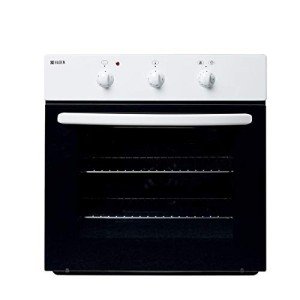
Built-in ranges and ovens use various advantages that can change any kitchen into a practical and stylish cooking area. Their space-saving designs, visual appeal, and boosted cooking features make them an appealing option for house owners seeking to update their appliances. Whether refurbishing a kitchen or constructing a brand-new home, the financial investment in built-in cooking appliances proves worthwhile for both performance and added home value. Property owners must consider their particular needs, preferences, and budget plan while checking out these choices, ensuring they can delight in the advantages for several years to come.
| Feature | Built-In Stoves | Built-In Ovens |
|---|---|---|
| Area Efficiency | Outstanding | Excellent |
| Visual Appeal | High | High |
| Advanced Cooking Technology | Yes | Yes |
| Customization Options | Lots of | Many |
| Installation Complexity | Moderate | Moderate |
No listing found.